



Classical or acoustic guitar: what are the differences?

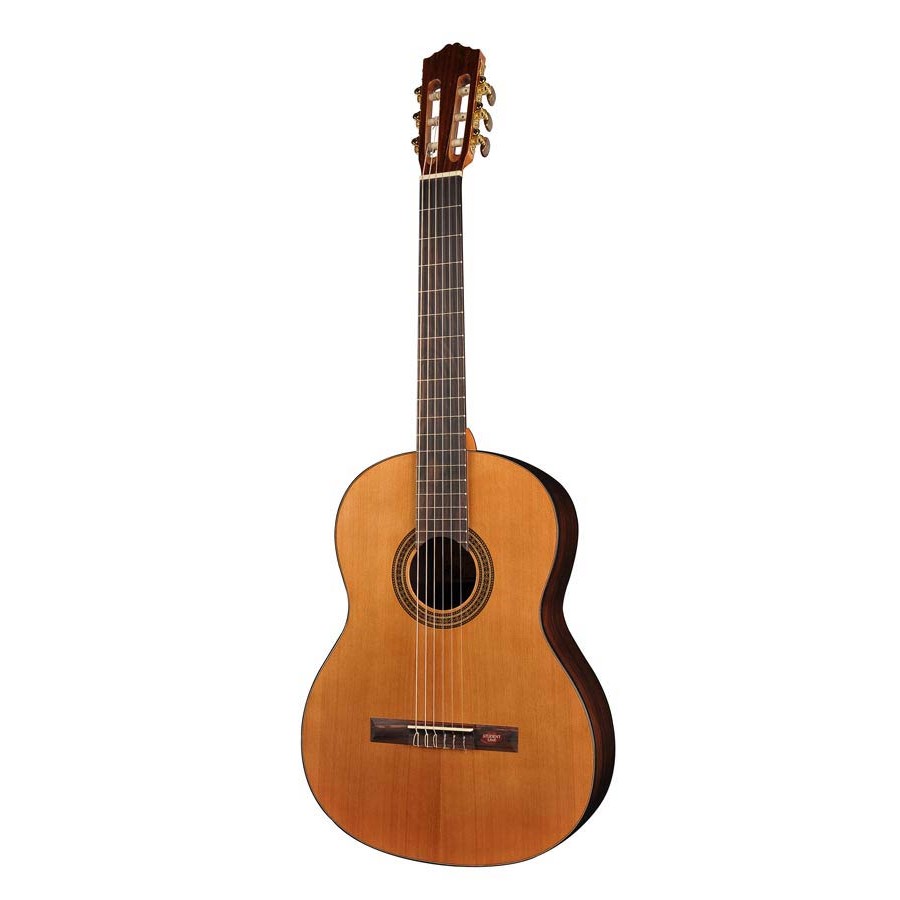
Classical guitar or acoustic guitar? It is often the first question beginners ask. The two instruments look alike, but their sound, playability and uses are very different. We go through everything to help you choose.
The sound: nylon vs steel
The most immediate difference lies in the strings. The classical guitar uses nylon strings, which produce a soft, warm, round sound, ideal for classical music, flamenco or bossa nova. The acoustic guitar is fitted with steel strings, which deliver a brighter, more powerful and more percussive sound, perfect for pop, rock, blues or country.
The neck and playing comfort
The neck of a classical guitar is wider, which leaves more space between the strings: handy for placing your fingers cleanly when you are starting out. The neck of an acoustic guitar is narrower and slightly curved, which makes barre chords and fast playing easier, but demands a little more finger strength because of the tension of the steel strings.
The body: shape and projection
The classical guitar has a symmetrical, compact body. The acoustic guitar comes in several shapes: the dreadnought (large, powerful) is the most common, but there are also smaller shapes such as the parlour or the auditorium. Models such as the Richwood Master Series D-20 Dreadnought Guitar offer ideal projection for playing in a band or for singing.
The electro-acoustic: playing on stage
If you plan to play amplified, electro-acoustic guitars have a built-in pickup and preamp. This is the case with the Richwood D-20CE, which combines natural acoustic sound with the ability to plug straight into a PA system or an amp.
Classical guitar: our recommendations
To start out on classical guitar, the Salvador Cortez CC-15 offers a solid top and a remarkable sound for its price. It is also available in different sizes (3/4, 1/2) for children and teenagers, always with a gig bag included.
Strings: a choice that matters
Whatever you choose, strings make a real difference. For classical guitar, Savarez Alliance Corum strings are a benchmark. Remember to change them regularly to keep a clear, precise sound.
So, classical or acoustic?
Choose the classical guitar if you want to learn in an academic setting, play classical repertoire, or prefer a soft touch. Choose the acoustic guitar if you want to accompany songs, play around a campfire, or if your favourite styles are pop, rock or blues. And if you are still unsure, contact us: we will guide you. Browse our classical guitars and acoustic guitars.




 Discover the shop