



How to choose an acoustic guitar: a complete guide for beginners and experienced players

Why choosing your acoustic guitar well is essential
Whether you are a beginner or an experienced guitarist, choosing an acoustic guitar is a decisive step on your musical journey. A guitar that suits your build, your playing style and your ambitions will make all the difference to your progress and your enjoyment of playing.
At Acoustics Mics and Pickups, we offer a selection of acoustic guitars carefully chosen to suit every kind of musician.
Classical guitar or acoustic guitar: what is the difference?
The first question to ask concerns the type of acoustic guitar. The two main families are the classical guitar and the acoustic (folk) guitar, and their differences go well beyond appearance.
The classical guitar uses nylon strings, which are more supple and gentle on the fingers. Its neck is wider, which makes finger placement easier for classical chords. It is ideal for classical repertoire, flamenco, bossa nova and French chanson. Discover our range of Salvador Cortez classical guitars, renowned for their excellent value for money.
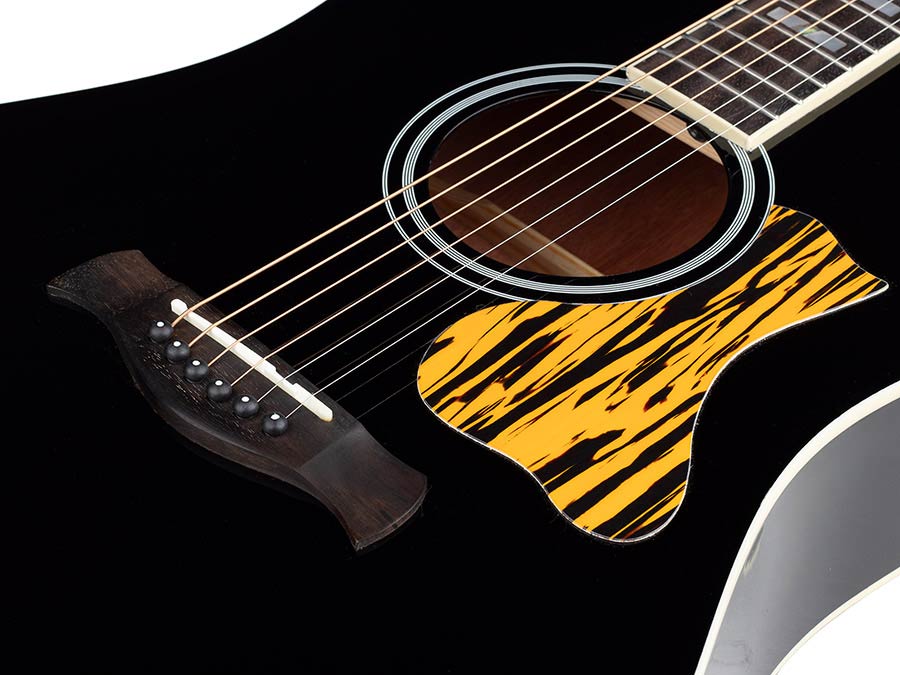
The acoustic guitar, for its part, is strung with steel strings that produce a brighter, more powerful sound. Its narrower neck is better suited to chord playing and picking. It is the preferred choice for rock, country, blues and pop. Our selection of Richwood acoustic guitars offers quality instruments for every budget.
The essential criteria for choosing well
The size of the guitar
Size is a criterion that is often underestimated. A guitar that is too big for a child or a small player will make playing uncomfortable and hold back progress. Guitars come in several sizes: 1/4, 1/2, 3/4 and 4/4 (standard size). For children aged 4 to 6, a 1/4 is recommended; from 6 to 8, a 1/2; from 8 to 12, a 3/4; and from 12 upwards, a standard size.
The wood and the craftsmanship
The choice of wood directly affects the sound of the instrument. Spruce is the most common wood for the soundboard, giving a clear, versatile sound. Cedar produces a warmer, rounder sound, ideal for fingerpicking. For the back and sides, rosewood adds depth, while mahogany gives a pronounced midrange, perfect for accompanying vocals.
The electro-acoustic: a plus for the stage
If you plan to play in a band or on stage, an electro-acoustic guitar is a sound investment. Fitted with a built-in microphone or pickup, it can be plugged straight into an acoustic amp or a PA system without losing the natural character of the acoustic sound.
The importance of strings
Guitar strings are the part most often replaced and they have a considerable influence on playing comfort and tone. For a beginner, light gauge strings will be more pleasant. A more experienced guitarist can opt for medium or heavy gauges to get more volume and sustain. Remember to change your strings regularly, on average every 4 to 8 weeks depending on how often you play.
Essential accessories to get started
Beyond the guitar itself, some accessories are a must: an electronic tuner to keep your guitar perfectly in tune, a case or gig bag for transport, a capo to make transposing easier, and a footstool if you play in the classical position.
Conclusion
Choosing an acoustic guitar is above all a matter of feel. Do not hesitate to contact us for personal advice suited to your level and your goals. Our passionate team will be delighted to guide you towards the instrument that is right for you.




 Discover the shop